
R-value and U-value are both terms discussed frequently in construction and sunroom manufacturing. Both measure specific, important variables in a sunroom to help you better understand the quality of the product you are considering. However, they can be confusing to somebody who hasn’t been exposed to construction guidelines before. Therefore, this post is meant to explain the terms to better equip you to be an informed buyer.
R-value
An R-value measures a material’s ability to resist heat traveling through it. Every material used in a building component contributes to its overall R-value. A home’s assembly R-value is determined through a formula incorporating a room’s U-value. A higher R-value indicates better insulation and higher thermal performance. A higher R-value translates to a more energy-efficient home, while a lower R-value makes properly regulating your home’s temperature difficult. A higher R-value also provides greater structural support. A high R-value assures a sunroom’s stability for those living in heavy snow areas. Consequently, the biggest factor when considering the necessary R-value for your housing is location.
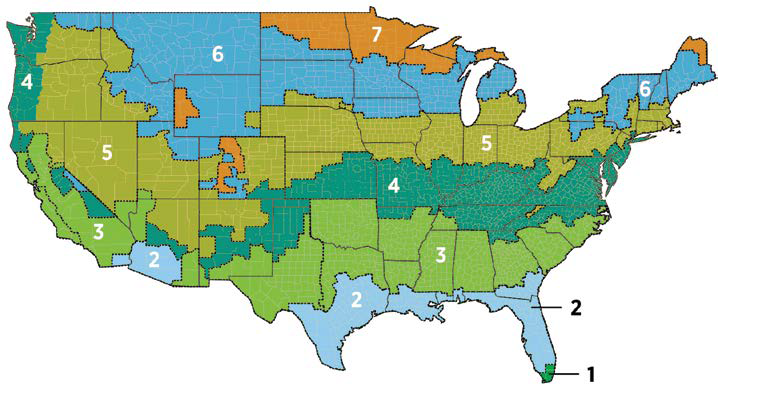
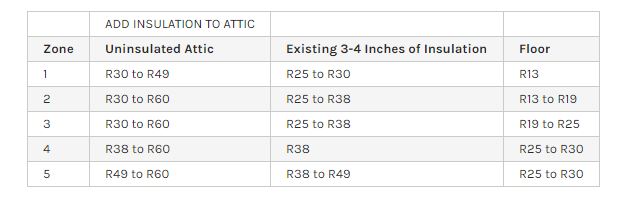
The U.S. Department of Energy presents a comprehensive map outlining those unique needs of each area of the United States. For example, those living in southern Florida or Hawaii only need sunrooms with R-Values between R-30 to R-49. Meanwhile, those living in the Great Lakes region should consider sunrooms with R-values between R-49 and R-60.
Insulation is also necessary for your flooring. Those in southern Florida or Hawaii only need the floors of their sunrooms insulated with an R-value of R-13. Those in the Great Lakes region need the floors of their sunrooms insulated with R-values between R-25 and R-30. Traditional construction builds homes based off these values, and LivingSpace believes that the best quality sunroom exists within these confines.
LivingSpace Sunrooms offers walls, floors, and roofs with R-values ranging between R-24 and R-52. This assures a sunroom will withstand the most inclimate weather. LivingSpace is able to do this by using the latest in Green building and insulation technology. LivingSpace offers the strongest and best insulated roof system available for sunrooms. This ensures that your room will exceed the International Energy Conservation Code requirements for sunroom additions.
U-value
U-value is similar to R-value, as it measures a facet of insulation. A U-value measures the ability of an assembled building element to resist the flow of heat across it. It is also referenced to as U-factor. Materials with lower U-values have greater insulating abilities and are more energy efficient.
U-value is determined by using the sum of a room’s different R-values. This sum is calculated from the different materials used to make the sunroom, including windows, doors, and paneling. Once the sum is determined, the U-value can be calculated by using the following equation.
- U-value = 1/(sum of all R-value)
High-performing R-values, like those shown in LivingSpace’s sunroom skylights, correlate with high performing U-values. In LivingSpace’s most insulated sunrooms, the R-value reaches R-52. This correlates to a U-value of 0.02. In LivingSpace’s least insulated sunrooms, the R-value reaches R-24. This correlates to a U-value of 0.04. Both of these are well below the nationwide requirements shown in the comprehensive report by the U.S. Department of Energy and Efficient Windows.
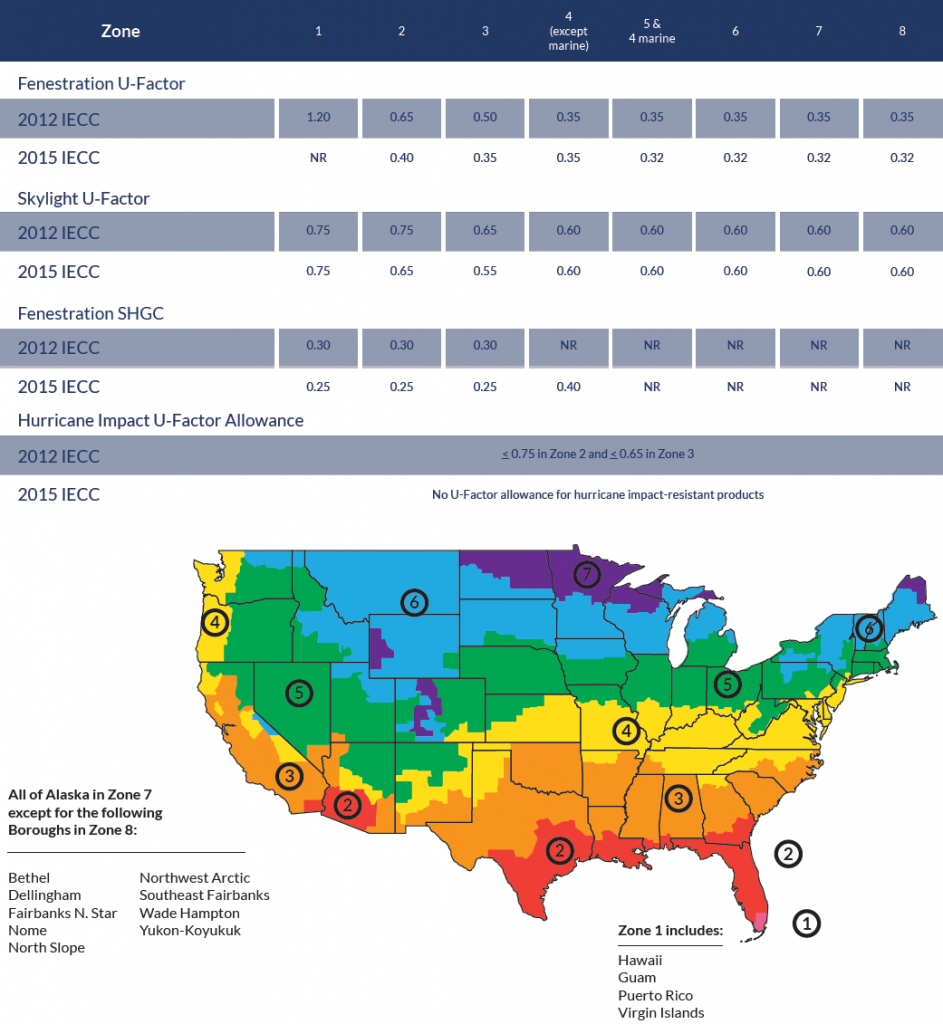
Sunrooms with poor U-values can gain and lose heat in a variety of areas. The U.S. Department of Energy says that windows, doors, and skylights can gain and lose heat through the following ways.
- Direct conduction from the glass or glazing, frame, and/or door
- The radiation of heat into and out of a house from room-temperature objects, such as people, furniture, and interior walls
- Air leakage through and around windows, doors, and skylights
The R- and U-values are important components of a sunroom that will impact the usability of your sunroom during warm or cold months. Therefore, finding a company that provides these basic features is critical. LivingSpace Sunrooms builds beyond the nation’s minimums to ensure your four season sunroom can be enjoyed from January to January for years to come.